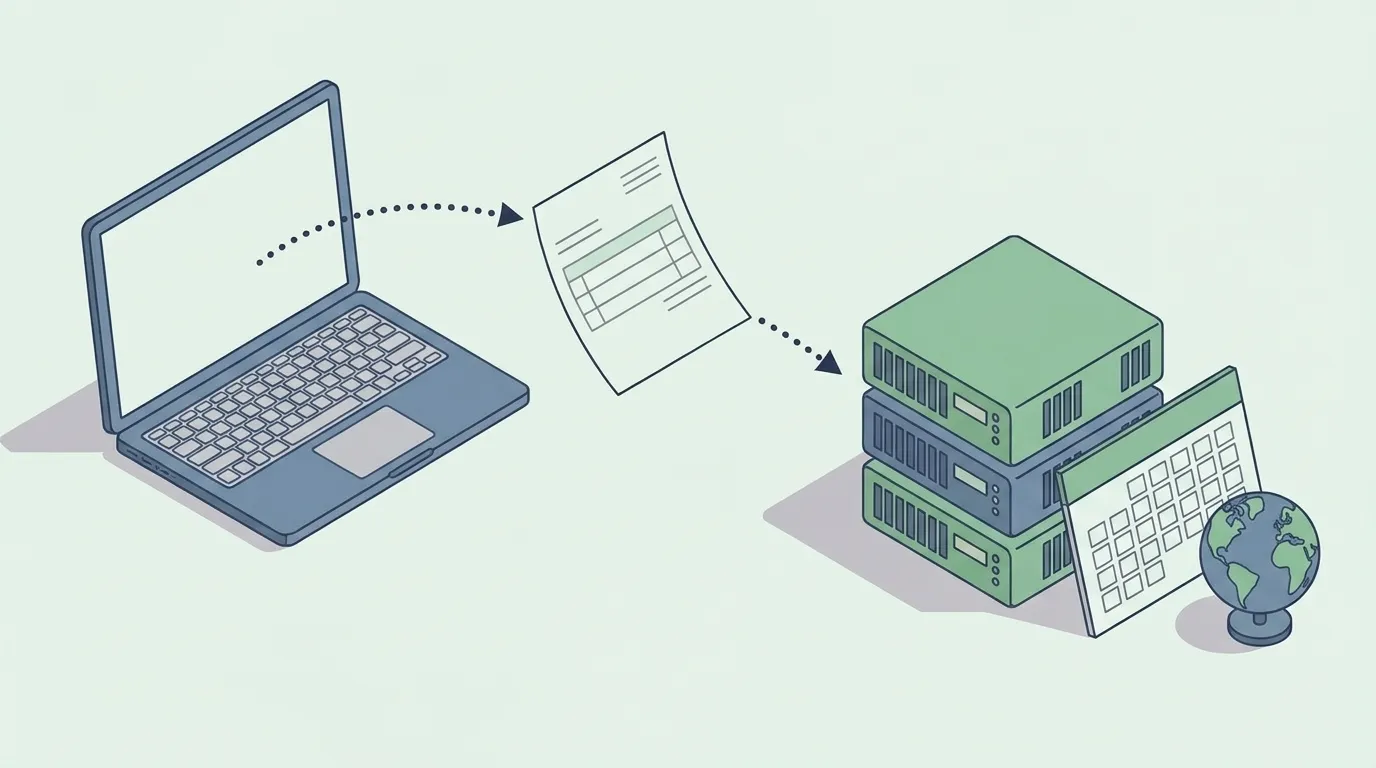
Reverse charge e-invoices can be tried on the live system before they become compulsory. A GSTN advisory dated 17 November 2026 says IRN generation for the two new supply types, RCMDOM (reverse charge purchases from unregistered persons) and RCMIMP (import of services), is to be enabled on the live Invoice Registration Portals (IRPs) from 15 December 2026. From 15 to 31 December 2026, generating them is voluntary. They become mandatory on 1 January 2027 under Notification No. 04/2026-Central Tax, dated 26 October 2026.
Who is affected
- Registered businesses whose own aggregate turnover exceeded ₹5 crore in any completed financial year from 2017-18 and that raise self-invoices under reverse charge, or pay for foreign services such as software subscriptions.
- This includes businesses that sell only to consumers and so issue no e-invoices today. Entities exempt from e-invoicing, such as banks, insurers and SEZ units, stay out.
- ERP, billing and GST software providers that connect to the IRPs.
What to do
- Finish testing in the IRP sandbox, which already supports both types. Use sample data there; the live system is for genuine transactions only.
- For these types, the live IRPs accept only documents dated 15 December 2026 or later, so self-invoices from 1 to 14 December cannot be registered.
- Consider registering your real self-invoices from 15 December onwards, so that errors show up before January.
- Technical specifications are on the NIC e-invoice API developer portal.
Our earlier brief explains the 1 January 2027 change.
Sources: GSTN advisory, 17 November 2026 (ICAI mirror) and CorpLawUpdates.